What Is Freemasonry
Freemasonry is one of the world’s oldest and most well-known fraternal organizations. It is a voluntary brotherhood built around moral development, personal improvement, charity, and fellowship. While it is often surrounded by mystery and symbolism, its core principles focus on ethical living, self-discipline, and service to others.
Origins and History
Modern Freemasonry formally began in 1717 with the establishment of the United Grand Lodge of England in London. However, its traditions trace back much further to the medieval stonemason guilds of Europe. These guilds were associations of skilled craftsmen who built cathedrals, castles, and other major structures. Over time, the organization transitioned from “operative” (actual stone workers) to “speculative” (symbolic builders of character and society).
Freemasonry then spread throughout Europe, North America, and eventually worldwide. During the 18th and 19th centuries, it became especially influential among political leaders, intellectuals, and reformers.
Core Beliefs and Principles
Freemasonry is not a religion, but it requires members to believe in a Supreme Being (regardless of specific faith). It encourages members to practice their own religion and does not promote a specific theology.
The main principles of Freemasonry are:
-
Brotherly Love – Treating others with respect, kindness, and tolerance.
-
Relief – Charity and support for those in need.
-
Truth – Pursuit of knowledge, honesty, and moral integrity.
Freemasonry teaches morality through allegory and symbols rather than direct instruction. Members participate in ceremonies that symbolize personal growth and ethical development.
Structure and Organization
Freemasonry is organized into local groups called “lodges.” Each lodge operates under the authority of a regional governing body, often called a Grand Lodge.
Members progress through three primary degrees:
-
Entered Apprentice – The beginning stage, focused on learning moral lessons.
-
Fellow Craft – Emphasizes intellectual and personal growth.
-
Master Mason – The full membership level with deeper symbolic teachings.
There are also additional bodies that extend Masonic teachings, such as:
-
Scottish Rite
-
York Rite
-
Shriners International
These groups offer further degrees, charitable projects, and social activities.
Symbols and Rituals
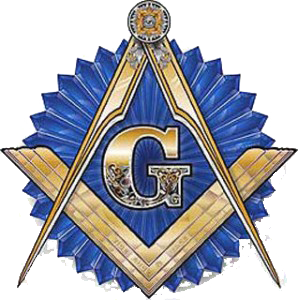
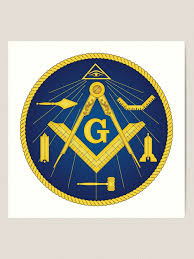
Freemasonry is widely recognized by its symbols, including:
-
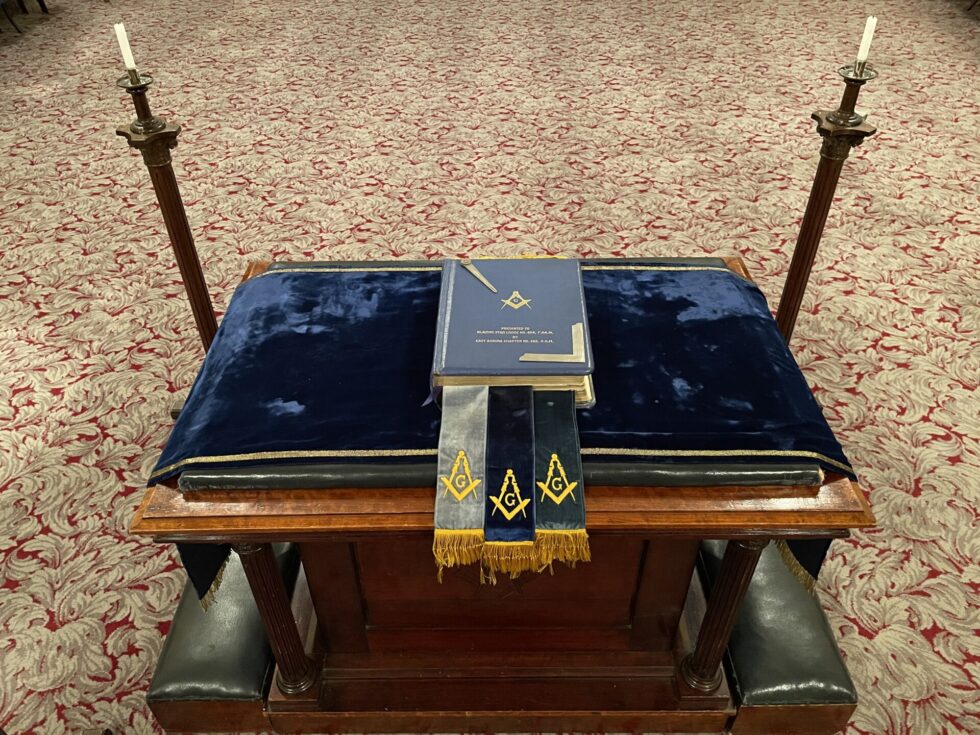
The Square and Compasses – Represent morality and self-restraint.
-
The All-Seeing Eye – Symbolizes divine watchfulness.
-
The letter “G” – Often interpreted as standing for God or Geometry.
Rituals are central to Freemasonry and are used as symbolic teaching tools. While many rituals are private, they are generally moral allegories rather than secret doctrines.
Famous Freemasons
Many historical figures have been associated with Freemasonry, including:
-
George Washington
-
Benjamin Franklin
-
Wolfgang Amadeus Mozart
-
Winston Churchill
Their involvement contributed to the organization’s visibility and influence.
Charity and Community Work
Freemasonry is heavily involved in charitable activities. Masonic organizations fund hospitals, scholarships, disaster relief efforts, and community programs. For example, Shriners Hospitals for Children (now Shriners Children’s) provides specialized pediatric medical care.
Charity is considered a fundamental obligation of membership, and many lodges actively support local communities.
Myths and Conspiracy Theories
Because of its private meetings and symbolic traditions, Freemasonry has often been the subject of conspiracy theories. Some claim it secretly controls governments or global institutions. However, there is no credible evidence supporting such claims. Most historians view Freemasonry as a fraternal organization focused on personal development and philanthropy rather than political domination.
Modern Freemasonry
Today, Freemasonry operates in many countries worldwide. Membership numbers have declined in some regions compared to earlier centuries, but lodges remain active in community service and fellowship.
Freemasonry continues to emphasize:
In Summary
Freemasonry is a centuries-old fraternal organization that uses symbolism, ritual, and fellowship to encourage moral development and charitable action. Though often misunderstood, its primary goals are personal growth, brotherhood, and service to humanity rather than secrecy or control.
If you’d like, I can also explain how someone becomes a Mason or how Freemasonry differs from other fraternal groups.

 We will educate you on social conduct and ethics of life. We will help you discover your potentials as a man and your reasons of existence so that you can start to pursue your dreams. The freemasonry is a family any man who strives for self-development and growth should belong to.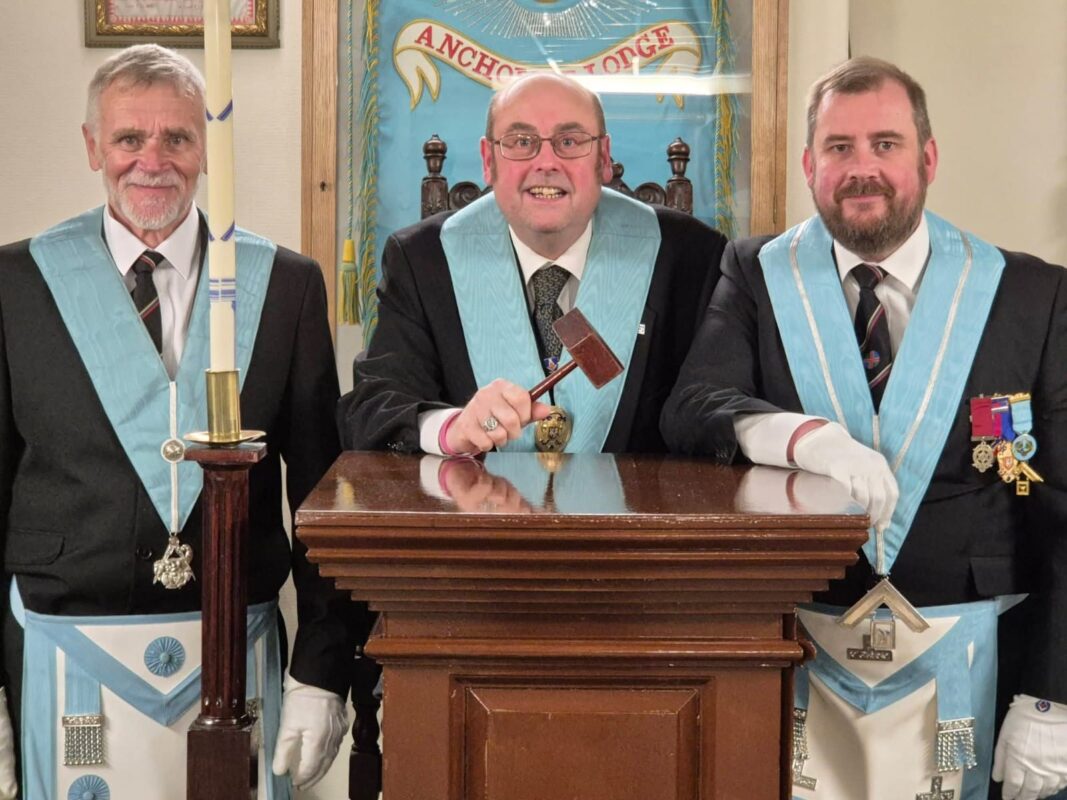
 It gives the account holder the ease to communicate with all other freemasons who have their accounts registered under this platform.